Air leaks can make your Savannah, Georgia, home cold, dry, and uncomfortable in winter and hot and humid in summer. They also increase energy bills all year and force your HVAC system to work harder, increasing wear on components. Air leaks can even introduce pollen, dirt, dust, and other irritants to your home. Here’s how you can find and seal air leaks where they tend to form to save money and make your home more comfortable.
Check Windows and Doors
The biggest drafts in living areas are usually around windows and doors, so you should check them for leaks. See if you can rattle them in their frames, since that means there are unnecessary gaps. Light around a door or window frame is also a sign of an air leak. Remember to inspect storm doors and windows as well. You can usually seal leaks with caulk or weather stripping. Caulk is best for sealing smaller gaps, while weather stripping works well on larger gaps like the bottoms of doors or windows.
Look at Recessed Lights
Most recessed lights have vents that open into the attic, causing air leaks. Air can also pass through gaps between the lights and ceiling. Lights labeled ICAT – insulation contact and air tight – have insulation. If your light doesn’t have the label, place any extra insulation at least 3 inches away to prevent fire.
Keep Ducts Sealed
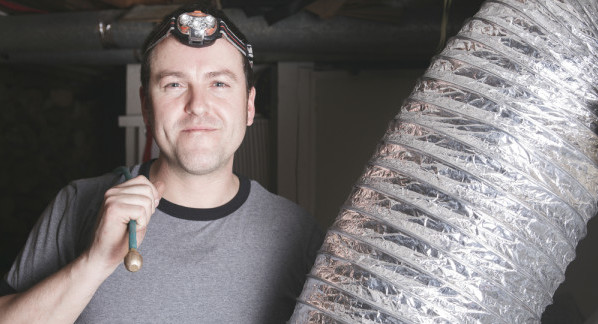
Leaks in your ductwork allow heated or cooled air to escape and keep your HVAC system from working at peak efficiency. They also let dust, pollution, and other contaminants into your home. Sealing leaks reduces energy bills and improves indoor air quality. You can seal small leaks in accessible areas with sealant or duct tape. Contact a professional to find and repair leaks in your entire duct system.
Byrd Heating and Air Conditioning has 30 years of experience repairing and maintaining heating and air conditioning systems. Call us at 912-373-8447 anytime for help with sealing your ducts and keeping your system in great condition.
Image provided by Shutterstock

