Dust buildup is part of everyday life. Shelves collect it, carpets trap it, and floors show it. Most of it gets handled during routine cleaning.
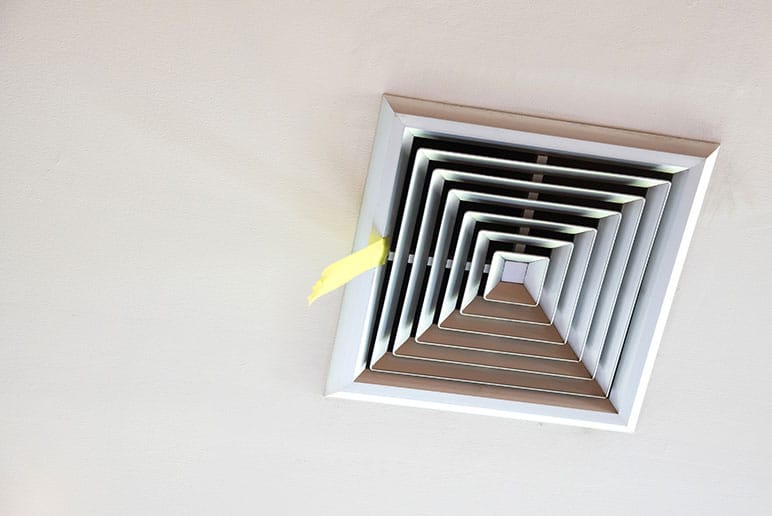
But there’s one area most homeowners never see — and rarely think about — where dust and debris can accumulate over time: your HVAC ductwork.
Because your heating and cooling system circulates air throughout the home, anything inside the ducts can potentially be distributed into your living space. Understanding how ducts get dirty and how to prevent buildup can help protect indoor air quality, comfort, and system performance.
Why Duct Cleanliness Matters
Your ductwork is the network of passages that carries conditioned air from your furnace, heat pump, or air conditioner into every room.
If contaminants are present inside the ducts, airflow can carry them into occupied spaces. However, it’s important to note that some dust inside ductwork is normal and not necessarily harmful.
According to the U.S. Environmental Protection Agency, duct cleaning is not always required — but it may be beneficial if there is substantial visible debris, mold growth, or pest contamination.
👉 https://www.epa.gov/indoor-air-quality-iaq/should-you-have-air-ducts-your-home-cleaned
Problems Associated With Dirty Ductwork
When buildup becomes significant, ducts may contain:
- Dust and dirt
- Fibers and insulation particles
- Pet hair and dander
- Insect remains
- Rodent debris
- Mold spores (if moisture is present)
Excessive contamination can contribute to:
- Reduced indoor air quality
- Allergy or asthma symptoms
- Persistent dust in the home
- Musty or stale odors
- Uneven airflow
- Decreased HVAC efficiency
The National Air Duct Cleaners Association notes that contaminants inside HVAC systems can circulate through occupied spaces and affect comfort and cleanliness.
👉 https://nadca.com/homeowners
Effective Ways to Prevent Dirty Ductwork
Preventing buildup is far easier — and less expensive — than deep cleaning later.
Keep the Home Clean
Regular cleaning reduces the amount of dust available to enter the return air system.
Helpful practices include:
- Dusting surfaces where particles accumulate
- Vacuuming carpets and rugs (preferably with a HEPA filter)
- Sweeping or mopping hard floors
- Cleaning ceiling fans and vents
- Washing bedding and drapes periodically
Less airborne debris means less material entering the duct system.
Change Air Filters Regularly
Your HVAC filter is the primary defense against dust entering the system.
Most homes benefit from replacing filters every 1–3 months, depending on:
- Pets
- Allergies
- Occupancy
- Home size
- Filter type
- Seasonal usage
Clogged filters allow particles to bypass the filter or reduce airflow, which can increase dust accumulation inside equipment and ducts.
Schedule Professional HVAC Maintenance
Annual maintenance helps prevent debris from building up inside the system itself.
During service visits, technicians inspect components, clean accessible parts, and ensure the system is operating properly. Clean equipment reduces the likelihood of contaminants being introduced into the ductwork.
In Savannah, spring cooling maintenance and fall heating inspections are typically recommended.
Inspect and Seal Ductwork
Leaky ducts can pull dust, insulation fibers, and attic debris into the system.
Professional inspection can identify:
- Loose connections
- Damaged sections
- Poorly sealed joints
- Air leaks in unconditioned spaces
Sealing ducts with mastic or approved materials improves efficiency and prevents contaminants from entering.
Moisture control is also critical. Damp conditions inside ducts can allow mold growth, especially in humid climates like coastal Georgia.
Protect Ducts During Renovations
Construction and remodeling projects generate large amounts of dust and debris.
Before work begins:
- Cover supply and return vents
- Keep HVAC systems off when possible
- Replace filters after work is completed
- Consider a professional inspection if major dust exposure occurred
Newly installed ductwork should also be checked before system startup.
When Duct Cleaning May Be Necessary
Most homes do not need routine duct cleaning on a fixed schedule. It becomes worthwhile when there is clear evidence of contamination, such as:
- Visible mold growth inside ducts or on components
- Evidence of pests or nesting
- Heavy debris restricting airflow
- Persistent dust despite filter changes
- Major renovation contamination
A qualified HVAC professional can determine whether cleaning will provide real benefits.
What Homeowners Usually Do Next
- Replace HVAC filters regularly
- Schedule preventive maintenance
- Address visible dust or airflow issues
- Inspect ductwork for leaks or damage
- Seek professional advice if air quality concerns persist
If you suspect your duct system may be contributing to comfort or air quality problems, a professional evaluation is the best starting point.
For decades, Byrd Heating & Air has helped Savannah-area homeowners improve comfort, efficiency, and indoor air quality. Whether you need maintenance, duct inspection, or system upgrades, our team is here to help.

