Ask Byrd. Your HVAC Authority. 40 Years Serving Savannah.
Homeowners call us every winter with the same complaint: “The heat worked fine last year. I don’t know why it’s acting up now.”
Byrd does.
Winter doesn’t create HVAC problems. It exposes the ones that have been building slowly.
At Byrd Heating & Air, we’ve spent decades helping homeowners across Savannah and the Coastal Empire get ahead of seasonal issues instead of reacting to them. Preparing your system for winter is the difference between a steady, efficient season and a mid-January scramble when the house won’t warm up.
Here is the exact advice we Below is the exact guidance we give our customers. Straightforward, practical, and based on what actually prevents breakdowns.
1. Start With the Filter
If there’s one step nearly everyone overlooks, it’s this one. A clogged filter restricts airflow, drives up energy usage, and forces your system to run longer than it should.
A dirty filter restricts airflow and forces your system to work harder. The U.S. Department of Energy recommends replacing filters every 30–90 days depending on conditions:
A clean filter protects your home and the equipment.
Protect your system. Enroll in a maintenance plan.
2. Make Sure Air Can Actually Flow Through the House
People don’t even realize it but they suffocate their HVAC system. Rugs slide over vents. Furniture crowds returns. Curtains hang too close.
Blocked vents reduce efficiency. ENERGY STAR emphasizes that proper airflow is a required component of HVAC system performance:
ENERGY STAR Most Efficient 2024 Criteria Development
Walk room to room and clear the path. Every vent needs space.
Restricted airflow is one of the fastest ways to create uneven heating.
3. Test the System Before You Need It
Too many people wait for the first cold snap to turn on the heat. That’s when problems become emergencies.
- Turn it on now.
- Listen for anything unusual.
- Pay attention to how long it takes to warm the home.
If it struggles early in the season, it will fail later.
4. Look at the Thermostat. It Matters More Than You Think.

A thermostat is often the weakest link in the system. Old mercury or outdated programmable units simply can’t deliver the efficiency or precision modern homes need.
A thermostat upgrade is one of the simplest ways to improve winter comfort, reduce utility costs, and stabilize temperature swings.
Smart Thermostats | Energy-Efficient Smart + WiFi Thermostats
If your home constantly feels “too warm” or “not warm enough,” this is usually where the fix begins.
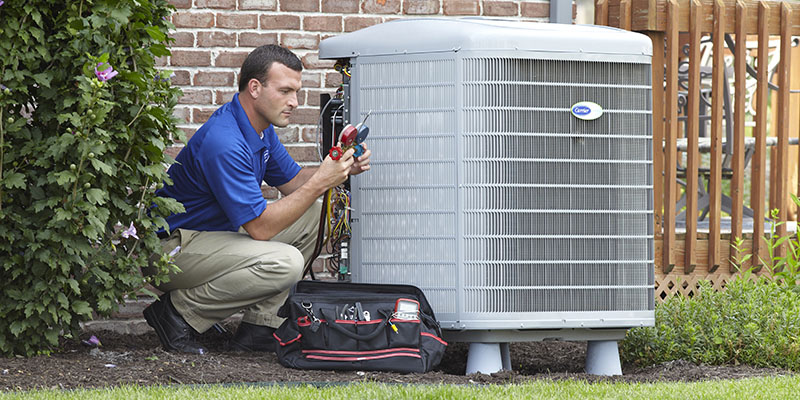
5. Don’t Ignore the Outdoor Unit (Heat Pump Owners Only)
Savannah’s climate makes heat pumps a strong choice, but they only work well if they have proper clearance.
Before winter:
- Clear leaves, pine straw, and branches.
- Give it at least 18–24 inches of open space.
- Make sure water drains away from the base.
Heat pumps don’t like debris or standing water. Give the system breathing room and it will pay you back in performance.
6. Seal the Places You’re Losing Heat Without Realizing It
Air leaks around windows, doors, attic hatches, and garages make your heating system work overtime. A simple weekend sealing project can cut your winter utility usage immediately.
If you’ve noticed drafts, fluctuating temperatures, or certain rooms turning cold, leaks are contributing.
This isn’t just a comfort issue. It’s a system strain issue.
7. Schedule Professional Maintenance Before It Gets Cold
Here’s the truth: every HVAC system, even the good ones, accumulate wear throughout the year. Pre-winter maintenance is the reset button.
A Byrd Heating & Air technician will:
- Inspect electrical components
- Check the heat exchanger for cracks
- Clean burners and ignition systems
- Lubricate moving parts
- Test safety controls
- Verify proper airflow and refrigerant levels
- Calibrate your thermostat
Most winter breakdowns trace back to issues that would have been caught during this visit.
Request an Appointment with Byrd
8. If Your System Is Aging, Be Honest About Its Condition
Systems over 12–15 years old are more vulnerable in winter. We’re not pushing a replacement; we’re telling you what we see every year.
The aging systems that fail in January always showed signs earlier:
- Higher bills
- Uneven heating
- Short cycling
- Frequent repair calls
- Burning smells or noises
If the system is nearing the end of its lifespan, winter will expose that. Planning ahead prevents the more expensive emergency scenario.
9. Consider Indoor Air Quality Before the Home Closes Up
When windows stay shut, indoor air becomes stale quickly. Dust, allergens, and humidity imbalances make homes feel “off” even if the temperature is fine.
Improving Indoor Air Quality | US EPA
Winter Indoor Air Quality (IAQ) solutions that make a real difference:
- High-efficiency media filters
- Whole-home humidifiers
- UV-C lamps
- Air purifiers that clean your entire system
This isn’t luxury. It’s stability, comfort, and health.
See Byrd’s Indoor Air Quality Services
What Preparing Now Actually Accomplishes
This isn’t busy work. It’s a strategic plan designed to protect the equipment and your home.
- You reduce the chance of emergency repairs.
- You stabilize comfort across the home.
- You prevent utility bills from climbing.
- You extend the system’s lifespan.
- You reduce stress on the coldest days of the year.
Winter is predictable. A system that isn’t prepared won’t perform.
Need a Hand Getting Ready?
If you prefer not to tackle everything yourself, or if you want a professional set of eyes on your system before winter hits, we’re ready.
Here’s what homeowners typically do next:
- Schedule a pre-winter heating tune-up.
- Ask about a thermostat upgrade for better control and efficiency.
- Join our service contract program so winter prep becomes automatic each year.
You take care of your home. We take care of the systems that make it livable.
Contact Byrd Heating & Air today to get your home ready for winter.

