
Wood stoves and other supplemental heating equipment can help to lower heating bills and keep your home warm in the winter months; however, these devices do significantly increase your risk of a house fire. According to the National Fire Protection Association (NFPA), half of the fires that result from home heating equipment occur in December, January and February. The NFPA also reports that home heating equipment caused 53,600 fires in 2011 and that heating is one of the two main causes of house fires. Consider the following tips on fire safety and home heating: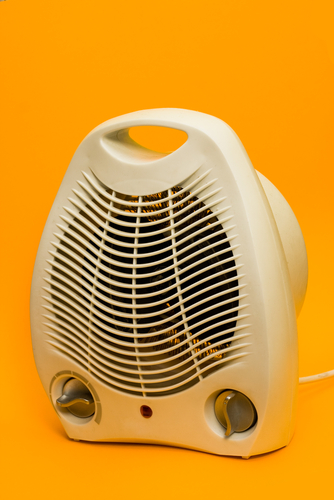
Causes of Home Heating Fires
• Incorrect installation of heating devices.
• Creosote buildup in chimneys.
• Placing combustible objects too close to heating devices.
• Errors when fueling gas-fueled heating devices.
Tips for Preventing Home Heating Fires
- Have a three-foot space around your home heating equipment. Also have nothing combustible in that space. Combustible items include curtains, bedding and clothing. This goes for all heating equipment including fireplaces, wood stoves and furnaces.
- Keep children out of the three-foot zone around your heating equipment.
- Your oven is not a home heating device, avoid using it as such.
- When leaving a room or going to bed, turn heating devices like portable space heaters off.
- Only the fuel prescribed by the heater’s manufacturer should be used in a fuel-burning space heater.
- Your fireplace should be equipped with a screen. This prevents sparks flying into the room.
- Wood stoves, fireplaces and chimneys should be inspected. They should also be cleaned by a professional on a yearly basis.
- Never go to sleep without making sure that the fire in your fireplace is completely out. Check to make sure that the ashes are cold.
- Test your smoke alarms every 30 days.
You should be able to keep your home warm without starting a house fire. For more information on fire safety and home heating, contact us at Byrd Heating and Air Conditioning. We have been serving residents in Savannah and nearby areas since 1986.
Image via Shutterstock.com

