As with any mechanical system, a well-maintained air-source heat pump will work better than one whose maintenance is neglected. By “better,” we mean it uses less energy, provides more comfortable heating and cooling, and minimizes stress on parts, leading to a longer service life. Find out what heat pump maintenance steps you can take, and which ones you should leave to a professional technician.
DIY Heat Pump Maintenance
- Inspect and change the air filter regularly. An air-source heat pump is a forced-air system, meaning a fan blows conditioned air through ductwork into rooms. If the filter is dirty, that airflow will be restricted and the equipment will have to work harder to circulate the air. This will stress parts, lead to poor indoor air quality, and shorten the service life of the heat pump system. Check the filter monthly and change it when it looks dirty.
- Clean the outside coil when it gets dirty. You can follow manufacturer instructions for this task.
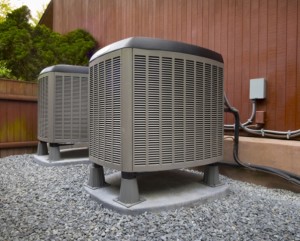
- Clear debris from the outside unit, including grass clippings, leaves and other material. This allows for smoother airflow.
- Keep registers clear of objects such as rugs, furniture, drapes, etc. Like most of these steps, this ensures smooth airflow.
Professional Heat Pump Maintenance
At least once a year, but preferably twice-yearly for a heat pump that sees double-duty in the cooling and heating seasons, schedule a professional maintenance tune-up. The technician should do the following:
- Check the ductwork, blower motor, evaporator coil and other components for dirt and debris that may impede airflow. He or she should also check ducts for leakage, which can waste a significant amount of energy.
- Measure refrigerant level. It must meet precise specifications for optimum operation. If the level is low, the technician should also check for leaks.
- Check all electrical wiring for proper connections; clean and tighten connections if necessary.
- Lubricate all moving parts, and check any fan belts for wear and tear.
- Check the thermostat for proper operation.
Learn more about Byrd Heating and Air Conditioning professional heat pump maintenance or contact us today at 912-373-8447 to schedule an appointment.
Image Provided by Shutterstock.com

