
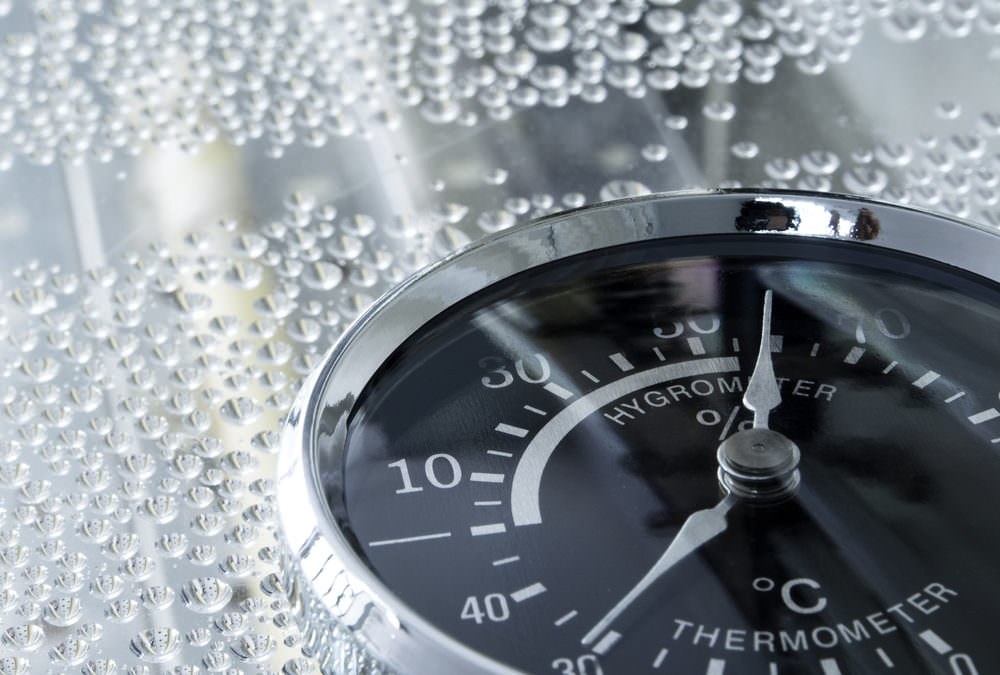
Tybee Island, Georgia, is prone to heavy rains and high levels of moisture, especially during hurricane season. Living here can often be problematic for those suffering from allergies or asthma due to high levels of humidity in the air. Fortunately, though, maintaining low levels of humidity in your home is easily achievable when you put the following six tips into action.
Covering Exposed Soil can Lower Humidity Levels
Household plants can improve oxygen levels and the indoor air quality in your home. When watering these plants, though, the water will evaporate and can increase indoor humidity levels. To deter this from happening, you should cover any exposed soil. This traps the water droplets that are evaporated into the air and helps the humidity level stay exactly where it should be. It will also decrease the number of times you have to water your household plants each week. It’s a twofold benefit, making it a win-win for you.
HVAC Maintenance Plays a Key Role in Maintaining Low Levels of Humidity
Your HVAC system plays a vital role in how well your house can maintain humidity levels. The HVAC system itself includes a ventilation system, and if it’s not operating with the utmost efficiency, this is going to increase humidity levels as well as your heating and cooling expenses. With proper maintenance, you can rest easy knowing your HVAC system is doing its part in achieving whole-home humidification.
Taking Shorter Showers Reduces Steam
There’s nothing better than coming home after a long day at work and relaxing in a steamy, hot shower. However, the steam that is emitted from your shower will significantly increase the humidity in your home, especially in the bathroom and any connected rooms. Reducing your shower time can decrease humidity levels. If you insist on taking a long shower, you can turn down the water temperature to reduce the amount of steam.
Increasing Ventilation Lowers Humidity Levels
Using ceiling or floor fans in your home is an effective way to remove humidity from the indoor air. In addition to using fans, it’s also recommended that you open one or two windows in the house for about 15 minutes each day; this allows moisture to escape and it helps circulate the air from the outside into and through your house, which is essential in balancing humidity levels.
You’ll also want to have your ventilation system inspected by an HVAC specialist on an annual basis to ensure it’s fully functional. They can also add a fan to any air ducts that push air outside of the house, like the ones in your kitchen and laundry room. These fans in the air ducts will push humidity outside along with the air.
Installing a Dehumidifier Removes Humidity
A humidifier adds moisture and humidity to your home, while a dehumidifier removes it. A lot of people avoid investing in a dehumidifier because they view them as too expensive. What they fail to realize is that even a small humidifier can effectively lower humidity levels. Especially when used in a smaller home.
Installing the dehumidifier in the proper place will greatly impact its effectiveness. You should pinpoint the most humid room in your home and place the unit here. If you don’t know which room is the most humid, you can use a hygrometer to help; this tool can be bought at almost any home improvement store.
You can also use a humidistat to measure relative humidity (RH) levels. This is primarily used once you have invested in a dehumidifier. It can also be used if you want to ensure you are maintaining proper levels of humidity. If the humidistat reveals an RH above 70 percent, you’ll need to increase the power of the dehumidifier to lower the humidity level. Generally, the ideal RH level for a home is between 45 and 55 percent.
Ready to learn more about the various ways your HVAC system plays a role in maintaining low levels of humidity in your home? Contact Byrd Heating and Air Conditioning today. You can visit our website or call us at 912-373-8447.
Image provided by Shutterstock

