
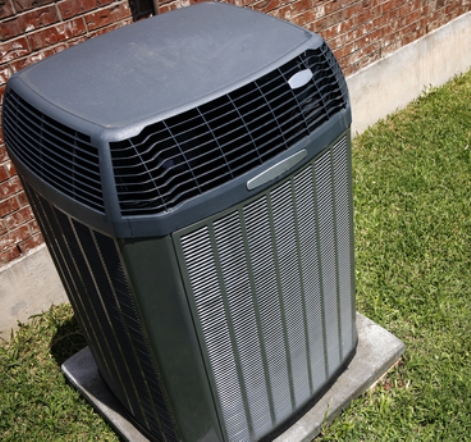
Thanks to the Savannah and Tremont Park area’s temperate climate, many homeowners find a heat pump to be the ideal way to stay comfortable year round. For others, however, a furnace and air conditioner are the better option. Whether a furnace or heat pump is right for you depends on a number of factors, including your heating preferences and local fuel costs.
How a Heat Pump Can Benefit You
Rather than burning fuel to produce heat, heat pumps keep you warm by absorbing heat from the outdoor air and moving it into your home. In heating mode, they work like air conditioners in reverse. In cooling mode, they work just like conventional air conditioners.
This method allows heat pumps to provide more heat energy than they use in electrical energy. An air-source (conventional) heat pump runs between 150 to 300 percent efficiency. Ground-source (geothermal) heat pumps are even more efficient. By comparison, today’s state-of-the-art gas furnaces are no more than 98.7 percent efficient.
As long as the temperature remains above freezing, a heat pump is generally the more energy efficient, cheaper way to heat. When temperatures fall much below 32 degrees, however, some heat pumps can no longer draw enough warmth from the outdoor air.
To compensate, they use electric resistance auxiliary heating, which operates on the same principle as a space heater. This keeps you warm, but it’s so inefficient it negates the efficiency of the heat pump itself. That’s why heat pumps are less frequently used in cold climates.
Deciding on a heat pump or furnace is easier if your home isn’t currently connected to the public gas lines. Although a connection can usually be installed, the cost may outweight the savings of using gas to heat. If electric heating is your only option, consider that a heat pump is around 30 to 40 percent less expensive to run than other electric heating systems.
Safety is another benefit of electric heating. Heat pumps don’t burn fuel, so they don’t pose the risk of carbon monoxide (CO) exposure that gas furnaces do.
Although you can maintain the same indoor temperatures using either a furnace or heat pump, a heat pump blows slightly cooler air from the registers than a furnace does. The air from a heat pump’s registers is typically 95 to 100 degrees, or up 115 degrees for the newest models. The air from a furnace’s registers is around 120 degrees. Our area is well suited to the milder warmth of a heat pump.
When to Choose a Furnace
In our climate, the choice between a furnace or heat pump isn’t as simple as it is in a climate with freezing weather all winter long. Our winters may be mild overall, but some years we still see nearly a month of cold temperatures. During these periods, a gas furnace is often the most energy efficient way to heat.
If you decide on a new gas furnace, a mid-efficiency model is sufficient. The higher purchase price of the high-efficiency models is only worth the investment in cold climates. The fact that more affordable, mid-efficiency furnaces are sufficient for our climate is another reason to consider a furnace.
The lifespan of each type of heating equipment is also something to consider. Because they run for only part of the year, furnaces and air conditioners last longer than heat pumps. A heat pump works year round and that work load means the average heat pump lasts around 15 years, while a furnace can operate efficiently for 20 years or longer. By using a furnace, you can go longer between equipment upgrades.
If you already have a relatively new air conditioner (less than 10 years old), installing a new furnace will be more cost-effective than replacing your A/C and furnace with a heat pump.
Choosing either a furnace or heat pump isn’t your only option. To ensure the most efficient heating in any kind of weather, consider a hybrid heating system. Also known as dual-fuel systems, these systems combine a heat pump and furnace.
The system automatically runs the equipment that’s most efficient for the given weather. Most of the winter, it will run the heat pump. When a cold snap hits, however, it will switch over to the furnace.
If you’re still not sure whether a heat pump or furnace is the best choice for your home, talk with us at Byrd Heating and Air Conditioning. in the Savannah, Garden City, and Tremont Park areas.
Image via Shutterstock.com

