Professional HVAC Repair, Maintenance & System Replacement Since 1986.
Stay Cool All Summer Long.

Air Conditioning

Heating

Indoor Air Quality

Maintenance
Celebrating 40 Years of Comfort in Savannah & the Lowcountry
For four decades, Byrd Heating & Air Conditioning has been helping families and businesses stay comfortable through every season. Since opening our doors in 1986, we’ve grown alongside the communities of Savannah, GA and the Coastal Lowcountry, earning the trust of homeowners across generations.
What started as a small local company has become one of the region’s most dependable HVAC providers, built on honest work, technical expertise, and a commitment to treating customers like neighbors. From historic homes in downtown Savannah to new construction throughout Bluffton and surrounding areas, we understand the unique climate challenges of coastal living.
Today, as a Factory Authorized Carrier® Dealer with NATE-certified technicians, we continue to deliver modern, energy-efficient solutions while maintaining the same personal service that has defined our company from the beginning.
Forty years later, our mission remains simple: keep your home cool in the summer, warm in the winter, and comfortable all year long.
Heating & Air Conditioning Services in the Greater Savannah, GA Area
Welcome to Byrd Heating & Air Conditioning, where your comfort comes first. We proudly serve Savannah, GA and nearby communities, including Richmond Hill, Wilmington Island, Effingham, Sylvania, and Georgetown. Whether you need fast repairs, routine maintenance, or a complete system replacement, our team delivers reliable solutions you can trust. For dependable heating and cooling service, make Byrd your first call.
Savannah Air Conditioning and Heating
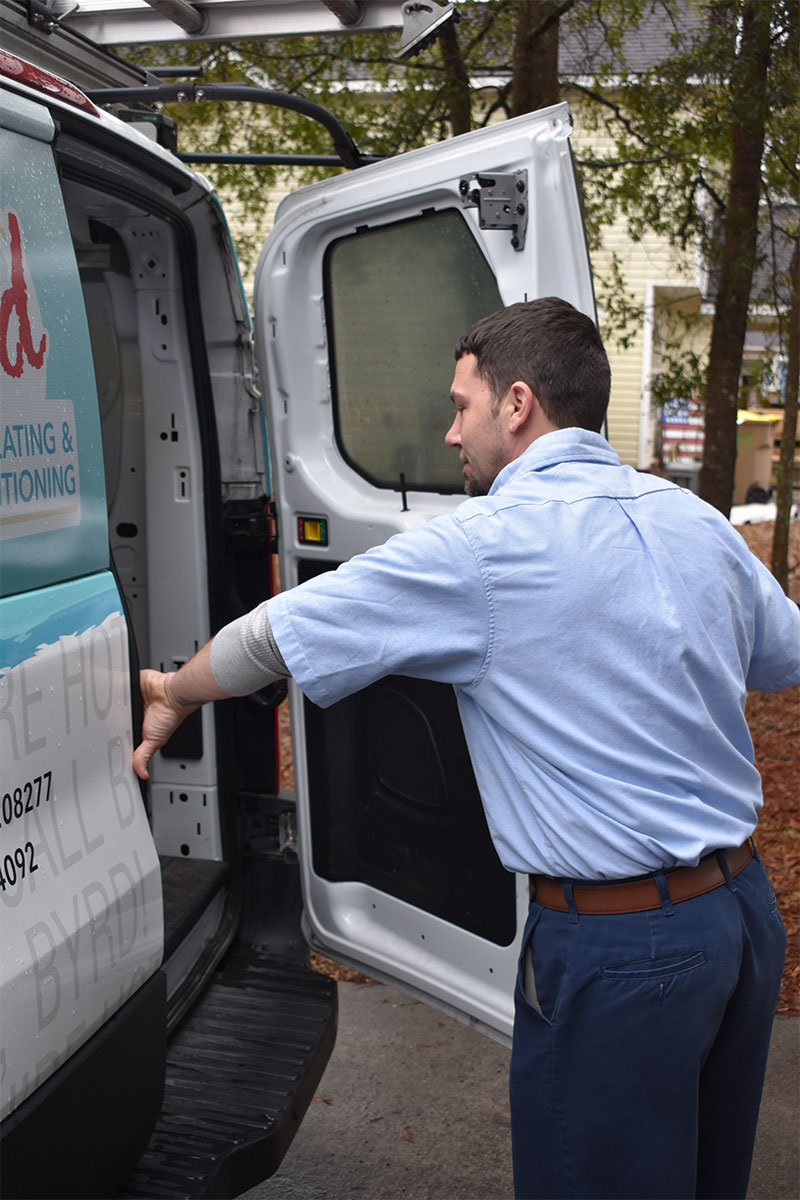
Because we’re one of the leading Carrier® Factory Authorized Dealers in Greater Savannah, you can count on state-of-the-art products and highly trained technicians who can quickly diagnose and repair almost any HVAC problem. We repair and maintain all equipment brands and offer the latest technological innovations in heating and cooling products.
Call us for emergency service, free estimates on HVAC installations and replacements or to find out more about our money and energy-saving preventive maintenance plans. We also offer specials all year, including standing discounts for seniors and military personnel.
Our HVAC Contractor Services
When your comfort system isn’t performing, you need a contractor you can trust to respond quickly and fix the problem right the first time. Byrd Heating & Air Conditioning provides complete HVAC services for homes, businesses, and new construction throughout Savannah, GA and the surrounding Coastal Lowcountry.
Since 1986, our team has helped thousands of local families stay cool through long summers and warm during winter cold snaps. What began as a new-construction HVAC company has grown into a full-service provider offering expert repair, replacement, installation, and maintenance for all major brands and system types.
We are fully licensed, bonded, and insured for your protection, and our highly trained technicians deliver honest recommendations, upfront pricing, and dependable workmanship on every job. Whether you need emergency repairs, a system upgrade, or routine service, we focus on fast solutions that restore comfort and peace of mind.
Byrd Heating & Air Conditioning uses advanced diagnostic tools and high-efficiency equipment to ensure reliable performance and lower operating costs. Our goal is simple: fix the issue, prevent future problems, and keep your home or business comfortable year-round.
Why Homeowners and Businesses Choose Byrd
-
Serving Savannah and the Lowcountry since 1986
-
Fast response times and dependable scheduling
-
Experienced, certified HVAC technicians
-
Service for all makes and models
-
Repair, installation, replacement, and maintenance
-
Residential, commercial, and new construction expertise
-
Licensed, bonded, and insured
-
Honest assessments with no unnecessary upselling
Air Conditioning
Heating
Furnaces
New Construction HVAC
Maintenance
Air Quality
Heat Pumps
Ductless HVAC
Proud Partner with Georgia Power
We’re proud to partner with Georgia Power to help homeowners save on energy-efficient comfort upgrades.
Good news: Qualifying Georgia Power residential customers may be eligible for valuable rebates and incentives when installing high-efficiency heating and cooling systems.
Our team will help you identify eligible equipment, maximize available savings, and choose the best energy-efficient solution for your home.
Contact us today to learn which options qualify and how much you could save.





Air Conditioning Repair Near You in Savannah, GA
When you need reliable air conditioning repair in Savannah, GA, Byrd Heating & Air Conditioning is the trusted local choice. Our experienced technicians diagnose problems quickly and deliver effective repairs to restore your comfort as fast as possible.
With decades of hands-on experience servicing all makes and models, we understand how coastal heat and humidity affect cooling systems. Our team arrives prepared with the tools, parts, and expertise needed to complete most repairs on the spot.
We’re committed to customer satisfaction through prompt response times, honest recommendations, and dependable workmanship. Ongoing training ensures our technicians stay current with the latest HVAC technology, allowing us to provide efficient, long-lasting solutions.
When your air conditioner isn’t keeping up, making unusual noises, or stops working altogether, you can count on Byrd Heating & Air Conditioning for professional service that keeps your home cool and comfortable.
Schedule your AC repair today for fast, reliable service in Savannah and surrounding areas.