
Ask Byrd. Your HVAC Authority. 40 Years Serving Savannah.
Every winter, we get calls that start with the same line: “My house smells musty, but it’s winter. How is that even possible?”
It’s a fair question. Most people expect musty odors in the summer when humidity is high. Winter feels like it should be the opposite. But winter creates its own set of air-quality problems, and a musty smell is one of the first signs your home’s air and HVAC system are out of balance.
At Byrd Heating & Air, we see this issue constantly across Savannah and the Coastal Empire. The good news is that musty winter odors are solvable once you understand what’s driving them. It’s rarely just “old house smell.” Something is causing it, and ignoring it allows a small issue to become a much bigger one.
Below is what we tell homeowners when we’re called out to diagnose winter odors.
1. Your Home Is Closed Up Too Tight
In winter, the house stops breathing. Windows stay shut. Doors stay sealed. Fresh air circulation drops to near zero.
The EPA notes that indoor air can become 2–5 times more polluted than outdoor air in tightly sealed homes:
Introduction to Indoor Air Quality | US EPA
When that happens, odors that would normally escape now have nowhere to go. Instead, the HVAC system recirculates the same stale air over and over.
If your home smells slightly musty when the heat first kicks on, this is usually a sign of stagnant air, restricted airflow, or a filter that’s overdue to be changed.
Learn More About Byrd’s Indoor Air Quality Services
2. Winter Creates Moisture in Places You Don’t See
Cold outdoor air is extremely dry. When it enters the home and warms up, it pulls moisture from surfaces and the air itself. This imbalance can create condensation where warm and cold surfaces meet.
Common winter moisture traps:
- Basements
- Crawl spaces
- Window frames
- Behind furniture placed against exterior walls
- Around uninsulated ductwork
Even a small amount of moisture can fuel the early stages of mold. The CDC and EPA stress that mold can grow on damp surfaces within 24–48 hours:
A Brief Guide to Mold, Moisture and Your Home | US EPA
Don’t assume winter is “too dry” for moisture problems. Most of the mold assessments we do in January and February begin exactly this way.
3. Your Ductwork May Be Holding the Odor
Dust, pet dander, moisture, and other organic debris accumulate in ducts over time. When the heating system turns on and warm air blows across these materials, odors can spread through the house instantly.
Signs the ducts are contributing:
The smell is strongest when the heat turns on
The odor fades as the system runs
Certain rooms smell worse than others
Ductwork doesn’t need yearly cleaning, but when it’s overdue, it becomes a reservoir for odors.
4. The Crawl Space Is Sending Air Upward
Crawl spaces in Savannah are notorious for winter odor problems. Cooler temperatures trap ground moisture. Ventilation drops. Insulation absorbs dampness. All of this creates an earthy, musty smell that travels upward through the home’s gaps: plumbing penetrations, wall cavities, and return air pathways.
If the smell intensifies in the morning or after the heat cycles, this is usually the cause.
Crawl space moisture doesn’t disappear in winter. It simply hides until the home closes up and the odor has nowhere else to go.
5. Your HVAC System May Be Circulating the Smell
While rare, mold or bacteria can grow in parts of the HVAC system:
- Evaporator coil
- Condensate pan
- Filter compartment
- Humidifier components
- Return plenum
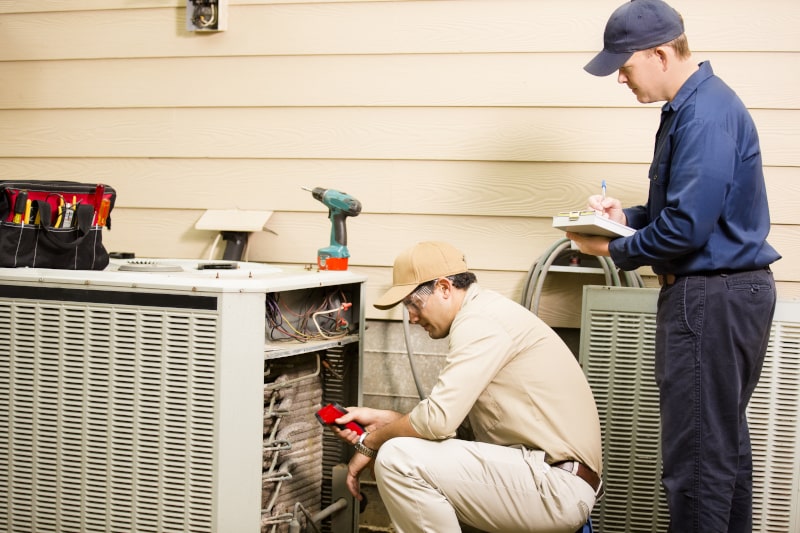
If the smell becomes stronger anytime the blower runs, it’s worth having a technician inspect the internal components.
The Department of Energy warns that dirty HVAC components reduce air quality and create odor issues if not maintained regularly:
Air Conditioner Maintenance | Department of Energy
A musty smell from inside the system won’t fix itself. The longer it circulates, the more it spreads into ductwork and soft materials like carpet and furniture.
6. Your Humidity Level Is Out of the Ideal Range
Healthy winter humidity sits between 30 percent and 40 percent. Most homes in our area land well outside that range.
If humidity is too high, micro-mold thrives in corners, closets, and lower levels.
If too low, condensation forms on cold surfaces and fuels mustiness anyway.
The HVAC system shouldn’t be guessing. It should be regulating. If your home constantly battles humidity swings, the system is struggling.
Byrd Heating and Air Conditioning Preventive Maintenance Program
7. Soft Surfaces Hold Odors Longer in Winter
Carpets, rugs, mattresses, and upholstered furniture absorb moisture and trap odors. In summer, the higher ventilation rate dilutes this. In winter, the smell concentrates.
If the odor is strongest in bedrooms, closets, or family rooms, the materials in those spaces may be acting like sponges.
This doesn’t mean your home is dirty. It means the air isn’t moving the way it should.
How to Fix a Musty Winter Smell
Here’s the strategy we recommend when a homeowner is trying to pinpoint the source.
- Step 1: Replace the Filter and Open All Vents
- Start with airflow. This alone clears up a surprising number of odor complaints.
- Step 2: Measure Your Humidity
- A $10 meter gives you an immediate direction.
- Below 30 percent or above 40 percent means the HVAC system isn’t balancing the air properly.
- Step 3: Inspect the Basement or Crawl Space
- Look for damp insulation, condensation on ductwork, pooling water, or fungal growth. These areas set the tone for the air inside your home.
- Look for damp insulation, condensation on ductwork, pooling water, or fungal growth. These areas set the tone for the air inside your home.
- Step 4: Have the Ductwork Evaluated
- If it hasn’t been inspected in years, dust and debris buildup are likely contributing.
- If it hasn’t been inspected in years, dust and debris buildup are likely contributing.
- Step 5: Improve Indoor Air Filtration
- A whole-home air purifier or high-efficiency media filter removes odor-producing particles instead of masking them.
- Step 6: Schedule an HVAC System Inspection
- A technician can identify internal issues long before they produce major damage.
Why You Shouldn’t Ignore Musty Odors in Winter
A musty smell is a signal. Something in the home or the HVAC system isn’t right. Whether it’s stagnant air, humidity imbalance, duct contamination, or hidden moisture, early intervention is always the cheaper path.
Odors don’t go away on their own.They intensify. They spread. They point to underlying problems that matter.
What Homeowners Usually Do Next
If your home smells musty this winter and you want a clear answer — not guesswork — here’s what makes the biggest impact:
- Schedule a winter HVAC inspection so we can pinpoint the source.
- Ask about air purification systems that remove odors rather than cover them.
- Consider a service contract so these issues are handled before they reach this point.
- Improve humidity control with a thermostat upgrade or IAQ solution.
You take care of your home. We make sure the air inside it is healthy, clean, and comfortable.

